Explore destinations
Compare European places and find the destinations that fit the route you want to build.
Explore destinations
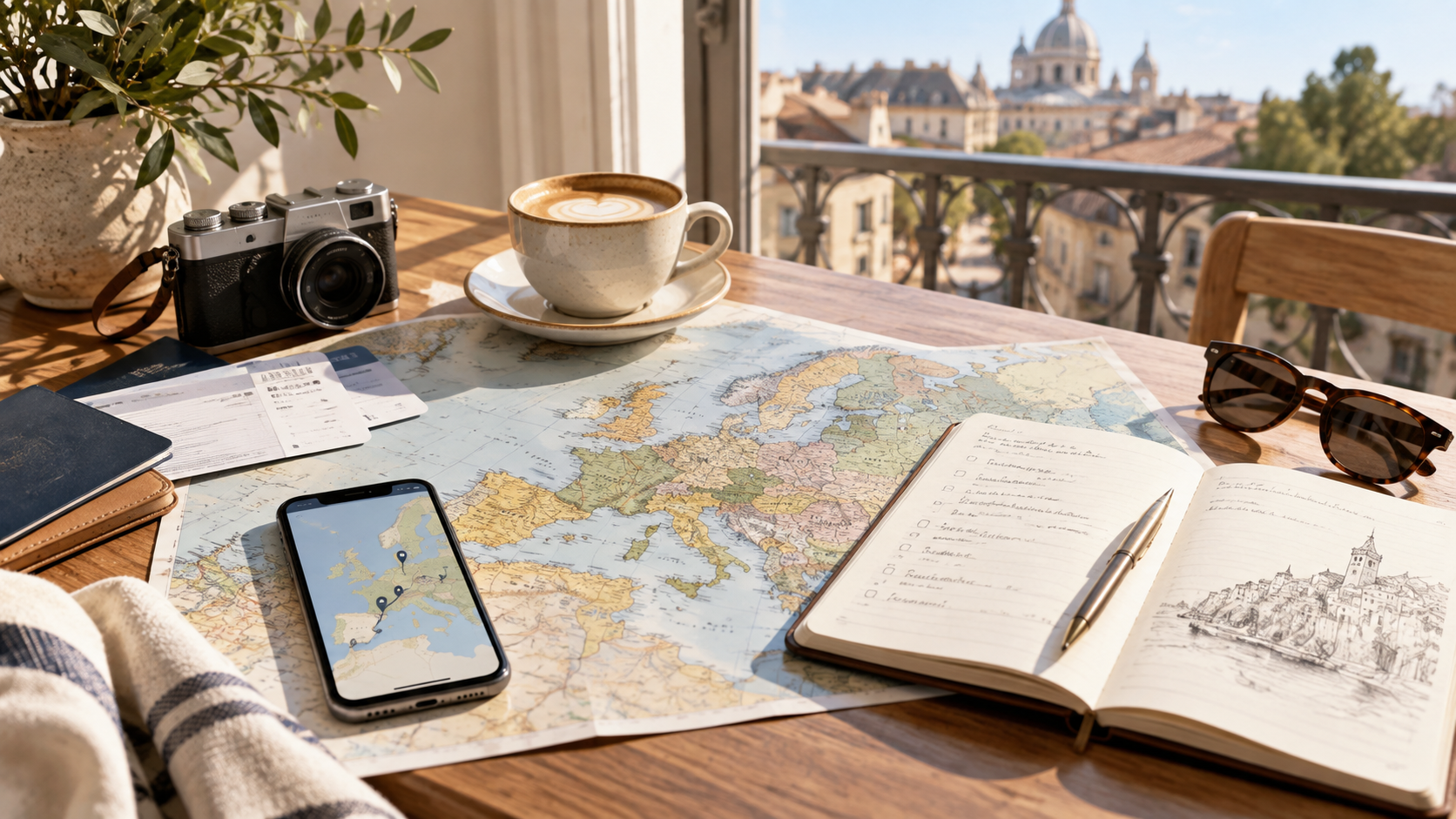
Build a flexible route, choose the right places to stay and leave enough room for the discoveries that make a European trip memorable.
Useful when you want structure without filling every hour.
Enough time to combine a few places without constant transfers.
A practical framework for a calmer and more flexible trip.
Europe makes it tempting to fit in one more city, one more museum and one more train ride. But the most enjoyable trips usually come from choosing fewer stops, grouping places logically and protecting a little free time between the main plans.
A plan should help you move through the trip with confidence. It should not make every day feel like a race against your own spreadsheet.
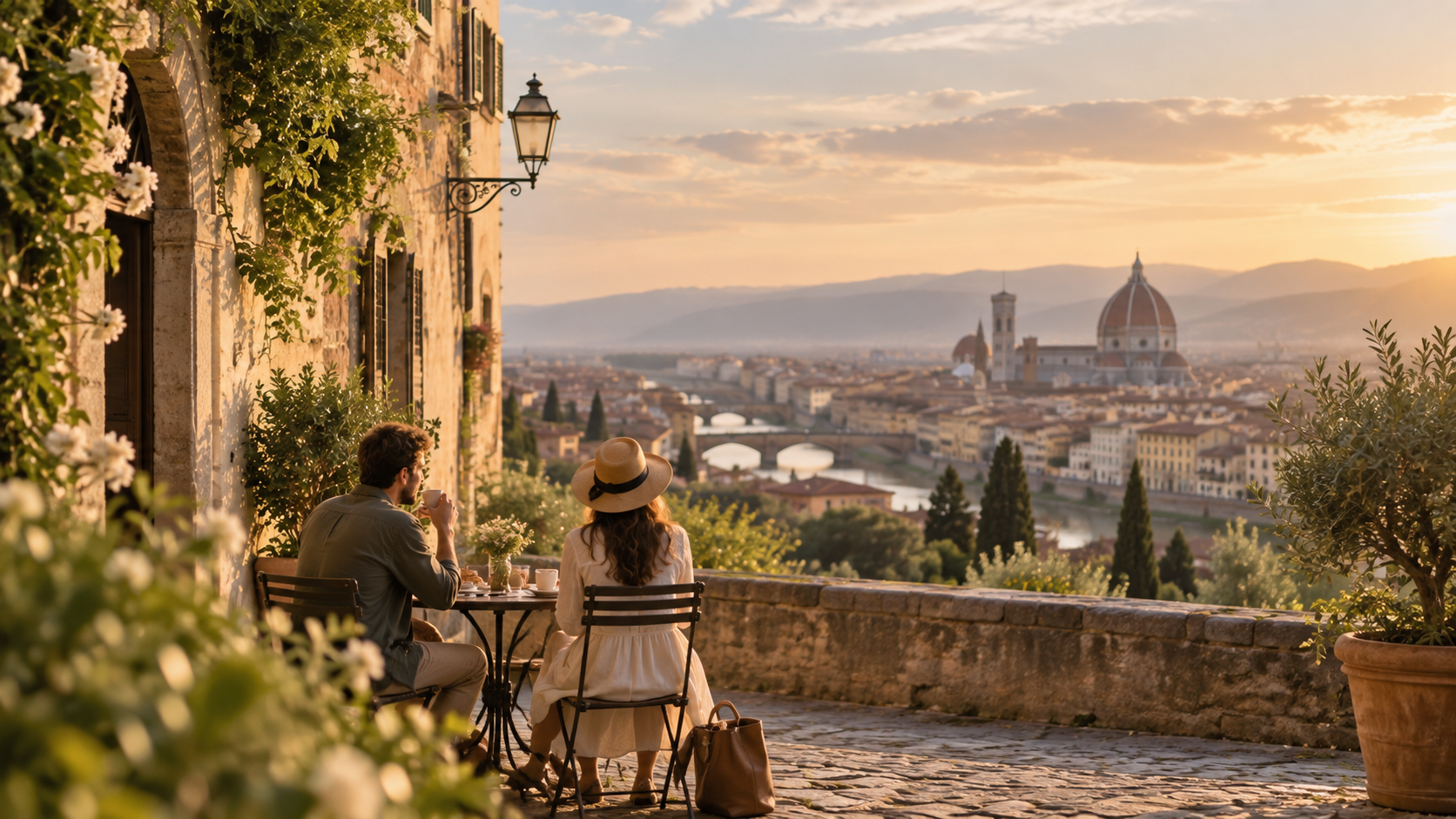
Start with the places where you will sleep, not with an endless list of attractions. Two or three well-chosen bases are often enough for a short European trip.
Travellers often remember a trip more clearly when they are not constantly checking out, moving luggage and learning a new neighbourhood every morning.
One of the easiest ways to avoid overplanning is to stop zigzagging across the map. Group places that naturally fit together and let the trip move in one general direction.
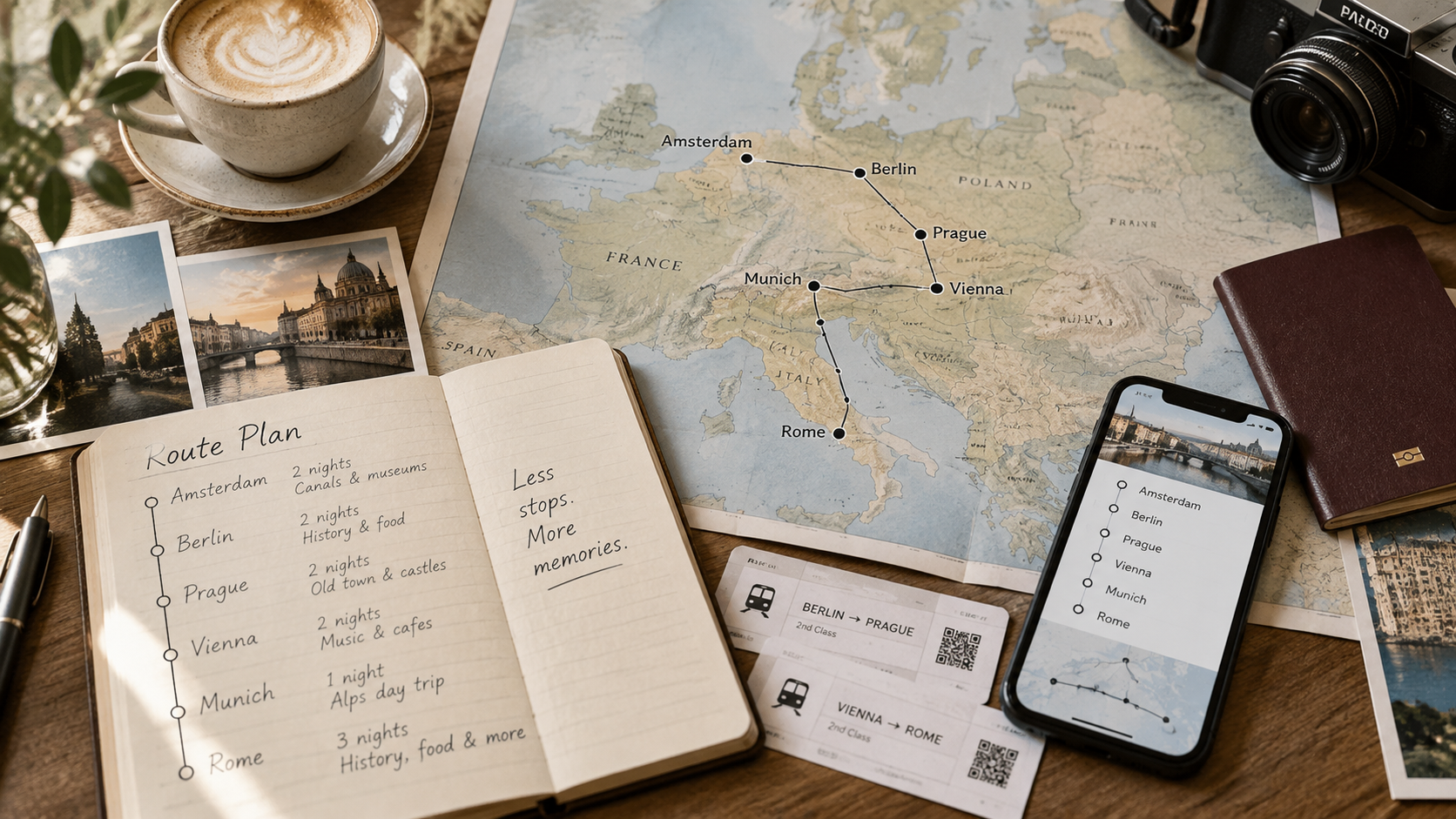
If half your trip is spent packing, finding stations and checking in again, the plan may look exciting on paper but feel tiring in reality.
An arrival day, transfer day or neighbourhood day can be deliberately lighter. A changing pace usually feels better than staying at maximum intensity from start to finish.
Flexibility is often just a matter of not filling every gap too early. Decide on a few anchors — your bases, major transport moves and the priorities that really matter — then leave enough space to react to weather, energy levels and discoveries on the way.
Keep at least half a day open somewhere in the route.
Reserve the few tickets that genuinely need advance booking.
Choose the experiences that matter most in each place.
Weather, transport and local rhythm may shift your plan.
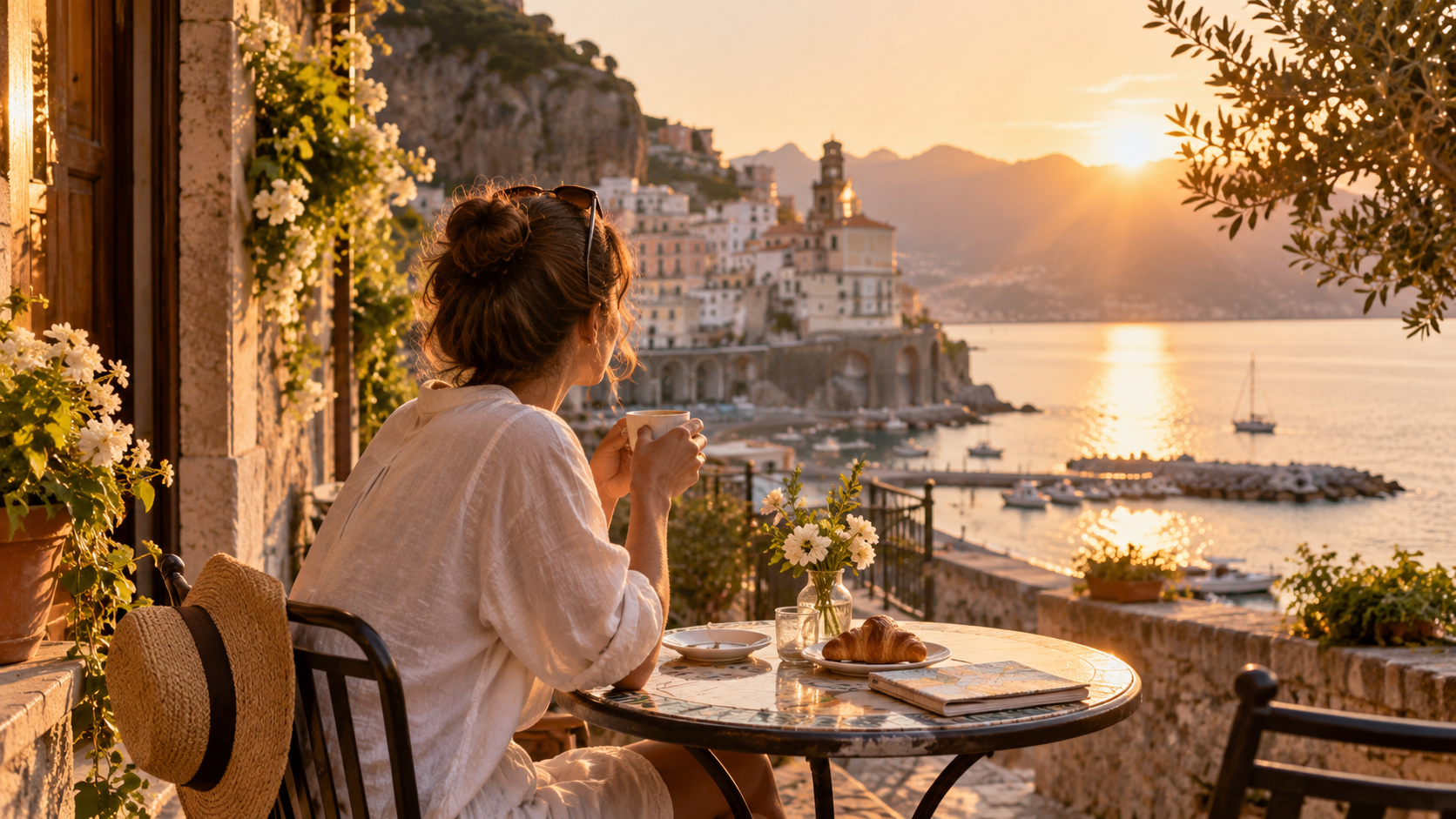
This is not a fixed itinerary. It is a useful shape: one main arrival base, one logical second base and one lighter final stretch. The key idea is continuity rather than constant moving.
Stay long enough to settle in, recover from travel and begin exploring without rushing.
Move onward once and let the second place contrast naturally with the first.
Keep room for weather changes, neighbourhood time or a softer departure rhythm.
Once the route shape feels right, continue with the practical parts: choosing destinations, comparing transport and finding the right stay.
Compare European places and find the destinations that fit the route you want to build.
Explore destinationsLook at transport options once your start point and overall route direction are clear.
Explore flightsChoose accommodation in locations that support the route instead of adding unnecessary travel time.
Explore hotels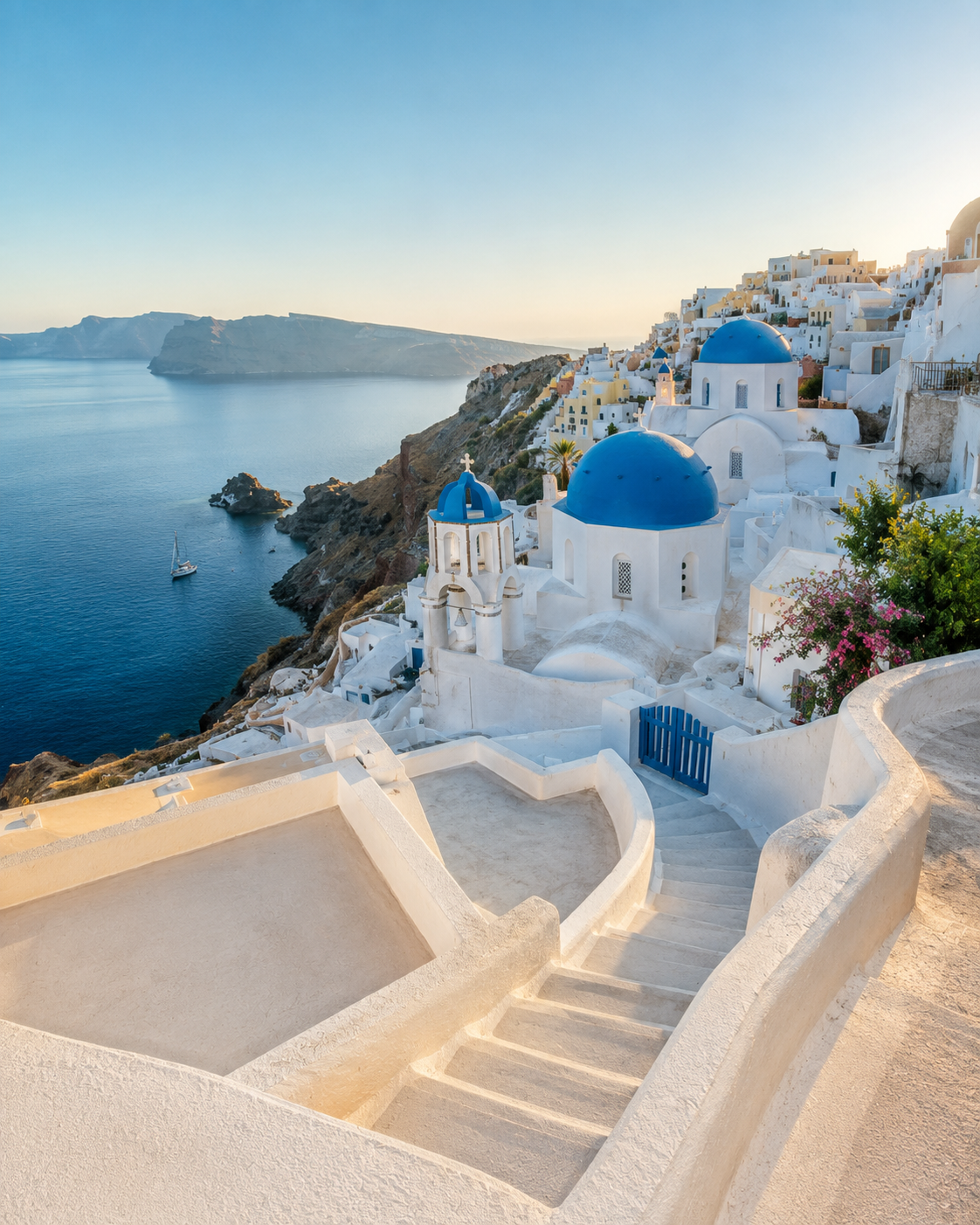
All travel imagery on MyTripoga is AI-generated for inspiration. Places are based on real destinations, but individual scenes may not reflect exact current real-world conditions.