Explore destinations
Compare European places and find the destinations that fit the transport rhythm you actually want.
Explore destinations

Learn when trains, flights and local transport make the most sense, so the route feels easier and your travel days take less energy from the trip itself.
Useful when transport choices can make or break the pace of the route.
Long enough to combine places, short enough that every transfer matters.
A practical framework for choosing the right mode at the right moment.
Europe has excellent transport, but that does not automatically make every itinerary easy. A route can still become tiring when too many places are packed together, every transfer has multiple changes or airport time is treated as if it barely counts.
A calmer trip usually comes from choosing the simplest useful connection, grouping places logically and protecting enough time around the move itself.

Rail is often the easiest choice for medium-distance city-to-city travel. Stations are usually central, boarding is straightforward and the whole journey tends to feel more connected to the destination.
Flying makes sense when the alternative is genuinely long, awkward or fragmented. Large cross-Europe jumps, island connections and routes around difficult geography can justify the extra airport logistics.
A good base reduces friction. Instead of changing accommodation constantly, stay somewhere that gives you useful onward connections and access to the experiences you actually want.
A connection with fewer changes is often worth a small amount of extra travel time. Clearer journeys usually mean less luggage handling, fewer missed-connection worries and more energy left when you arrive.
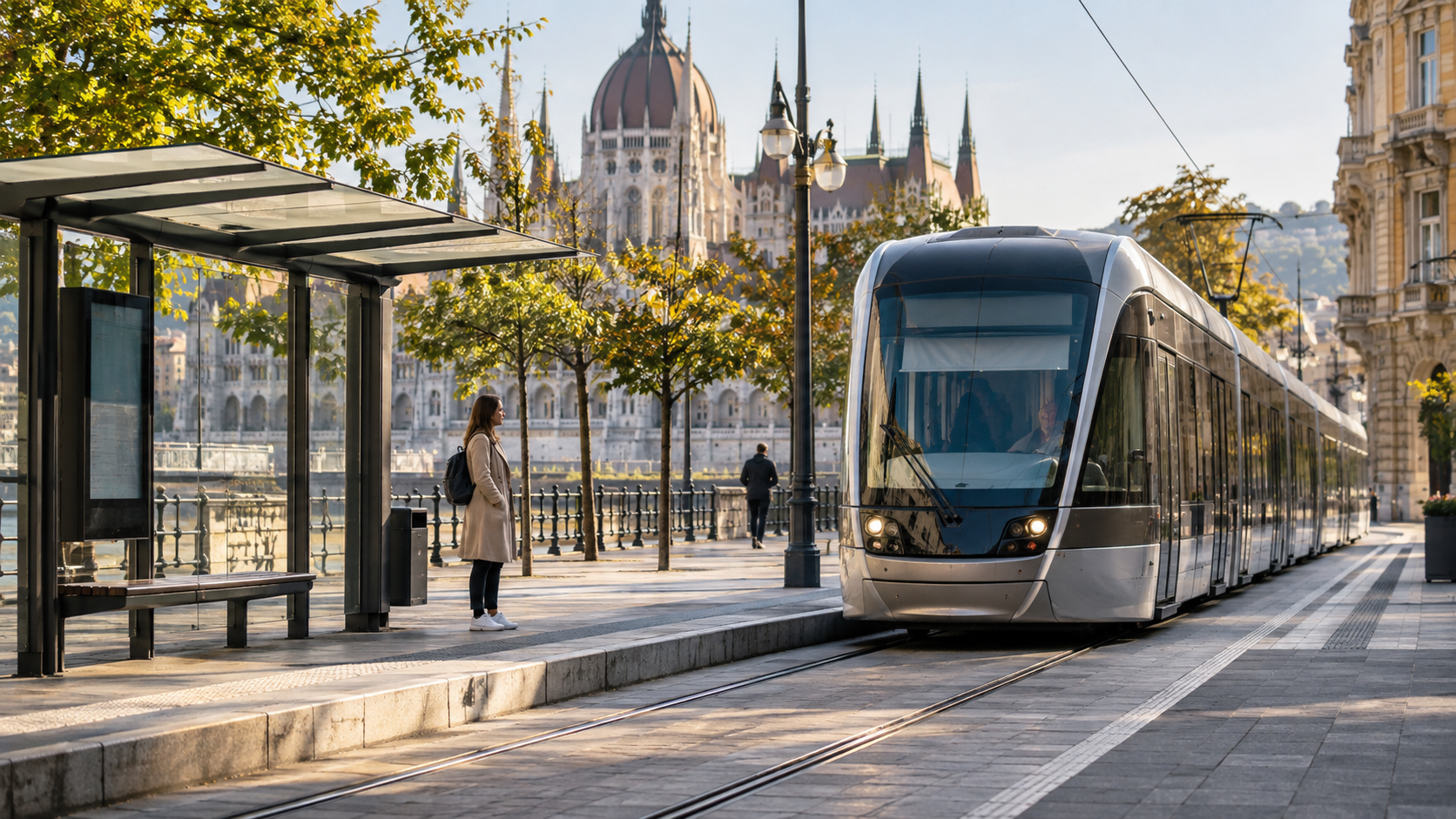
Once you arrive, the question changes from how to reach the destination to how easily you can move through it. Metro lines, trams, ferries and regional trains can shape which neighbourhoods feel convenient and how much ground you can cover without rushing.
Sometimes the right hotel is simply the one near the transport you will actually use. A slightly less central location can work very well when the connection is direct and dependable.
Not every transfer day needs another full sightseeing plan. Leave room for finding the station, delays, baggage, check-in and simply understanding a new place when you arrive.
A route that looks simple with a backpack can feel very different with rolling luggage, several bags or children. Stairs, old paving, platform changes and ferry boarding all matter more once you are carrying the trip with you.
You do not need to reserve every local journey in advance. Secure the transport that shapes the route, check the connections that have limited alternatives and keep simple local movement flexible where that makes sense.
Book earlier when availability or price can change quickly.
Check whether the transfer leaves enough room for the rest of the day.
Many can be decided once you understand the destination.
Avoid stacking several fragile connections into the same day.

You do not need a complicated route to combine several places well. A simpler structure often reduces stress more effectively than any individual booking trick.
Choose somewhere easy to reach and worthwhile enough to settle into before moving again.
Every extra transfer should create a clear benefit in scenery, pace or experience.
Finish with a route that feels easier, not more complicated, before departure.
Once the transport logic feels clearer, continue with the practical parts: choosing destinations, comparing flights and finding the right stay.
Compare European places and find the destinations that fit the transport rhythm you actually want.
Explore destinationsLook at flight options once you know where you want to travel and which long jumps are actually useful.
Explore flightsChoose accommodation in locations that support the route instead of adding unnecessary transfers.
Explore hotels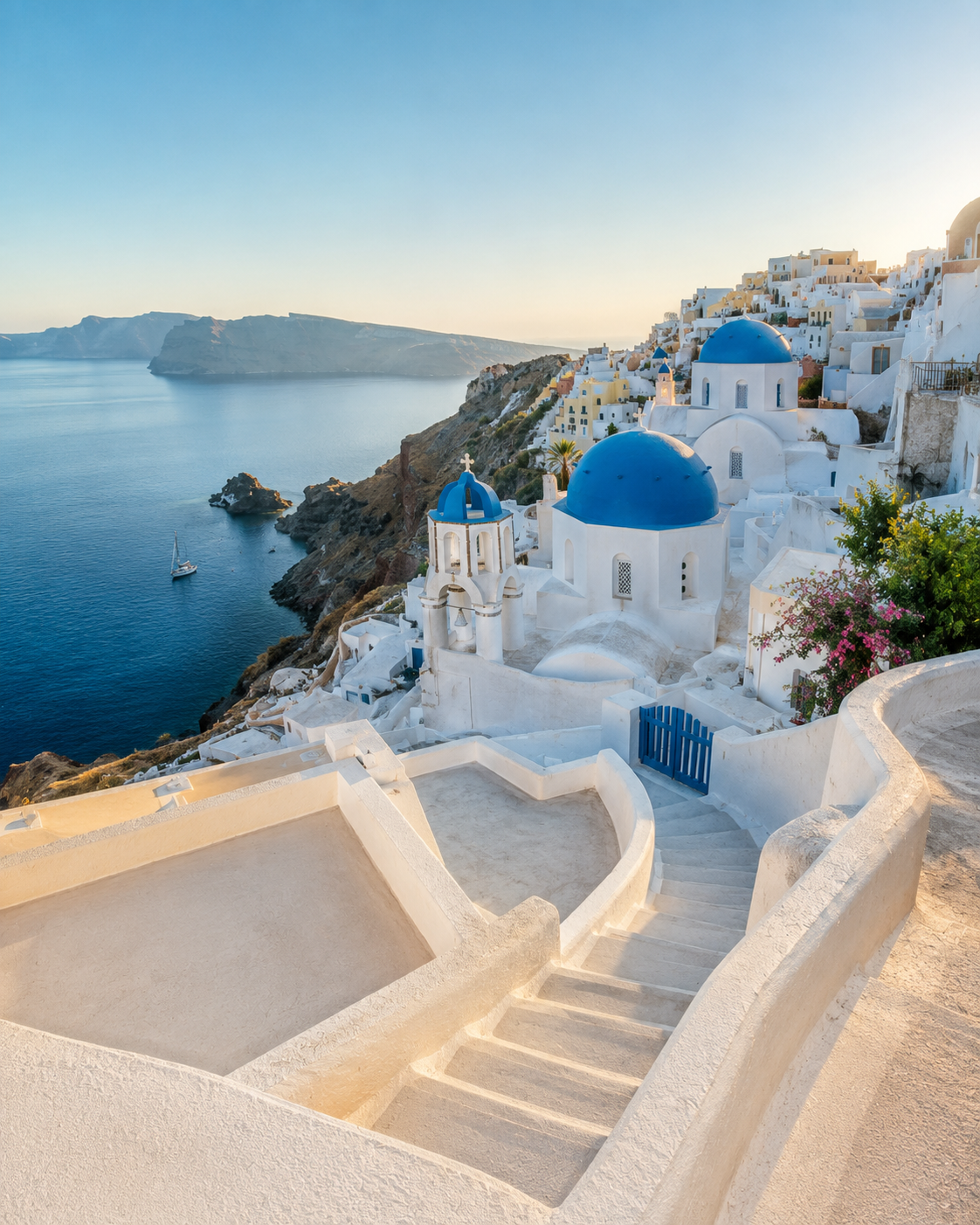
All travel imagery on MyTripoga is AI-generated for inspiration. Places are based on real destinations, but individual scenes may not reflect exact current real-world conditions.